Voice Cloning Has Made the Helpdesk Your Weakest Authentication Factor
Three seconds of audio is enough. Account-recovery calls are now the cheapest route into a corporate identity, and knowledge-based verification is no longer a control — it is theatre.
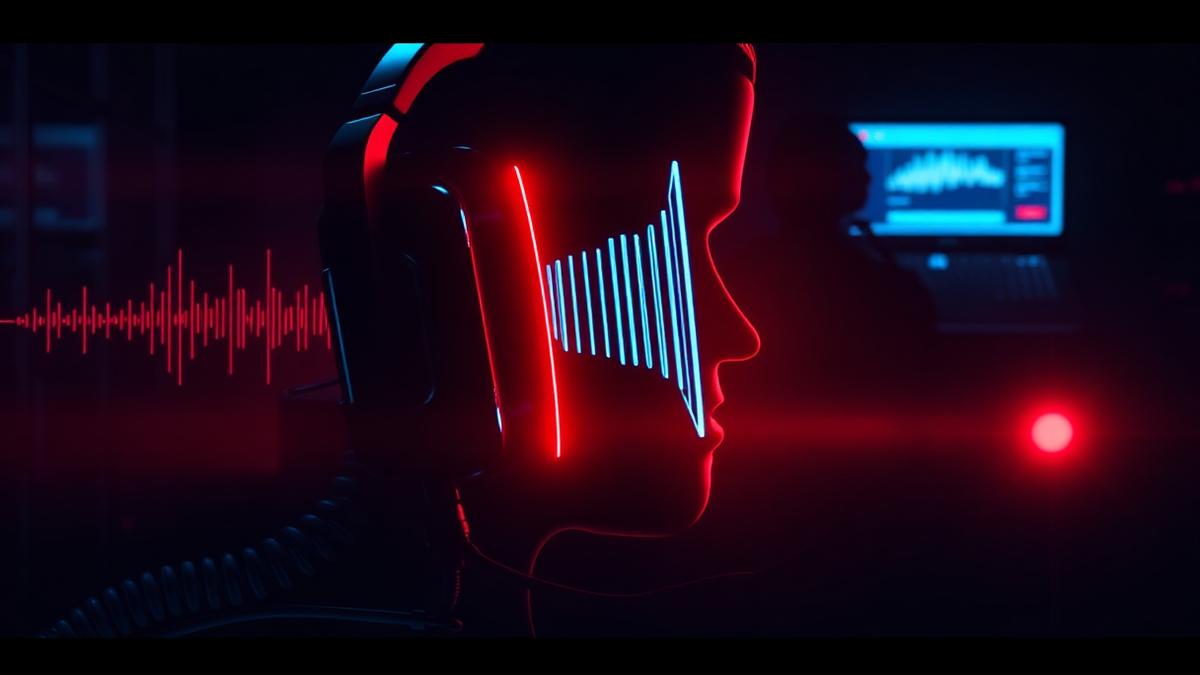
The technical barrier collapsed two years ago. What changed in 2026 is the operational maturity: cloned-voice recovery calls are now scripted, outsourced, and run at volume against helpdesks that still verify identity with a birth date and the last four digits of a badge number.
The standard playbook
- Source audio from a webinar, podcast, earnings call or a voicemail greeting.
- Enrich with LinkedIn, a leaked HR export and the target's out-of-office message to establish plausible urgency.
- Call outside business hours, when the on-call agent is junior and escalation paths are slow.
- Request an MFA reset, not a password reset — resetting the second factor is usually a lower-friction workflow with weaker logging.
What does not work
Voice biometrics as a primary factor is now a liability rather than a control: it fails open against a good clone and adds false confidence. Knowledge-based verification fails for the same reason it always did — the answers are in a breach dump.
What does work
Out-of-band, device-bound verification
The only reliable helpdesk control we see holding in 2026 is a push to a registered, attested device, or in-person verification with a manager. If the caller cannot approve on a device the directory already trusts, the request does not proceed.
A mandatory hold on high-risk resets
MFA re-enrolment, payroll bank changes and privileged group additions get a hard delay with notification to the account owner through a separate channel. Attackers optimise for the same-call outcome; a delay breaks the economics.
Agent authority limits, written down
Every agent should have a short, explicit list of what they may never do on a voice call regardless of who is asking. Removing discretion removes the pressure point social engineers exploit.
Record and score the calls
Automated liveness and synthetic-speech detection is imperfect but useful as a signal feeding the risk score — not as the gate.
Treat every inbound voice call as anonymous until a device proves otherwise. The voice is no longer evidence of anything.